Care for your garments
Explore our expert advice to help you to care for your garments.
Suits
✳︎
Dresses
✳︎
Jumpers
✳︎
Coats
✳︎
Bedding
Suits ✳︎ Dresses ✳︎ Jumpers ✳︎ Coats ✳︎ Bedding

2025
Laundry made easy
Understating the care label on garment is really important. We are Blue Moon Dry Cleaners in London are here to help you understand what it means
Blue Moon Dry Cleaners FulhamGarments Care label symbols
Understanding care label symbols is crucial for maintaining your clothes. These symbols provide essential guidance on how to clean and care for your garments.
Ignoring these symbols can lead to damage, shrinkage, or color fading. Each symbol represents specific instructions, from washing to drying and ironing.
Knowing what each symbol means can save you time and money. It can also extend the life of your favorite clothes.
In this guide, we will explore various care label symbols with photos. We will explain their meanings and when it's best to visit a dry cleaner.
By the end, you'll be equipped to make informed decisions about garment care. This knowledge will help preserve your wardrobe and keep it looking its best.
What Are Care Label Symbols and Why Do They Matter?
Care label symbols are small icons found on the tags inside clothing. They are standardized signs providing essential fabric care instructions.
These symbols are crucial for avoiding laundry disasters. They guide users on the proper way to wash, dry, and handle their garments.
Understanding these symbols helps maintain the look and feel of clothes. Proper care can enhance garment longevity and prevent damage.
Here's why care label symbols are essential:
Avoids Damage: Following instructions prevents shrinking and fading.
Saves Money: Less damage means less frequent replacements.
Environmental Impact: Proper care extends clothing life, reducing waste.
These symbols matter because they ensure your clothing receives the right care. Each icon conveys specific instructions tailored to fabric needs. Misunderstanding them can lead to unintended damage. With this knowledge, you can take informed steps to protect your wardrobe investments. Knowing when professional cleaning is necessary can also enhance care practices.
Decoding Washing Instructions Symbols
Washing instructions symbols are crucial for proper garment care. They guide the washing process, ensuring each piece is treated appropriately.
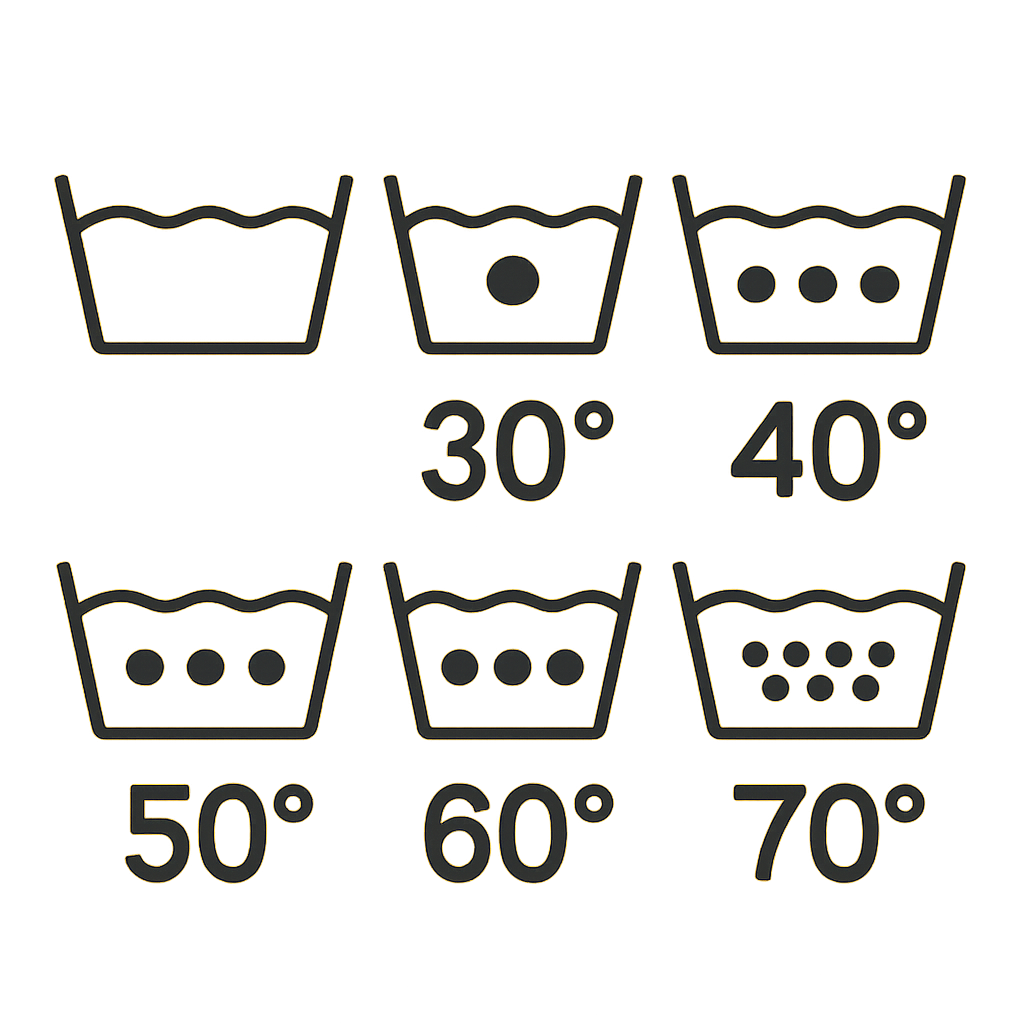
The basic washing symbol is a tub with water waves. It indicates that machine washing is possible under specified conditions. Sometimes, you'll see dots inside the tub, representing maximum washing temperatures. More dots mean higher temperatures are acceptable.
A hand in a tub suggests hand washing only, protecting delicate fabrics from machine stress. If the tub has a cross over it, avoid washing the item entirely. This symbol usually appears on very delicate or structured fabrics.
Here's a simple breakdown of common washing symbols:
Single Dot: Wash in cold water.
Two Dots: Use warm water.
Three Dots: Safe for hot water.
Hand Symbol: Hand wash only.
Crossed Tub: Do not wash.
Ignoring these symbols can shrink, stretch, or fade clothing. Always check the label before tossing items in the wash. It helps safeguard texture and color.
Proper decoding of washing symbols is essential for anyone doing laundry. Understanding these small icons ensures the right treatment for each textile. By following these signs, you preserve quality and appearance. This knowledge makes laundering less daunting and more effective.
Understanding Bleaching Symbols
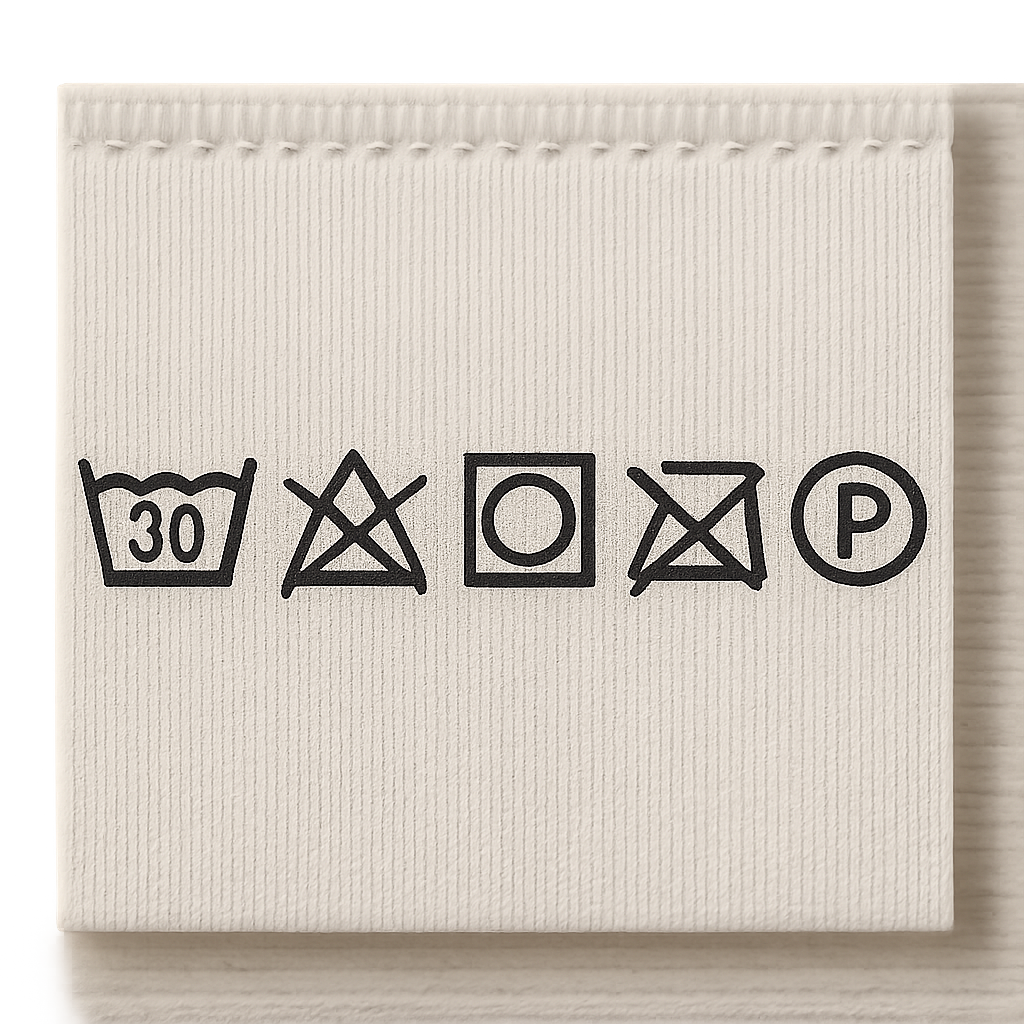
Bleaching symbols on clothing care labels are key for ensuring your clothes maintain their color and strength. These small triangle symbols indicate if and how bleach can be used during the cleaning process.
A plain, empty triangle suggests that any bleach can be used. This is typical for white clothing or very durable colored fabrics. Conversely, a triangle with two diagonal lines inside means that only non-chlorine bleach should be employed. This protects colors and is gentler on the material.
When you see a crossed-out triangle, refrain from using any bleach. Fabrics with this mark will likely suffer damage or discoloration if bleached.
To quickly understand bleaching symbols, remember these points:
Empty Triangle: Use any bleach.
Triangle with Lines: Non-chlorine bleach only.
Crossed-out Triangle: No bleach.
Ignoring these bleaching guidelines can lead to unwanted color changes or fabric damage. It's vital to adhere to these symbols for maintaining your clothing's original look and feel.
Drying Symbols: What They Mean for Your Clothes
After washing, drying your clothes correctly prevents shrinkage and maintains fabric integrity. Drying symbols on care labels guide you in this important step.
A square with a circle inside signifies that an item can be tumble dried. Look for dots inside the circle. Each dot shows the heat level: one dot means low heat, two dots mean medium, and three dots indicate high heat.
For items that need air drying, check for a square symbol with lines. A single horizontal line means lay the garment flat to dry. Vertical lines suggest drip drying, while a single diagonal line signals line drying.
Some garments can't tolerate tumble drying. If you see a crossed-out circle inside a square, avoid machine drying to prevent damage.
Here’s a quick list to remember:
Circle in Square: Tumble dry, dots indicate heat.
Horizontal Line: Flat dry.
Vertical Lines: Drip dry.
Diagonal Line: Line dry.
Crossed-out Circle: No tumble drying.
Ignoring these drying instructions can lead to shrunken or misshapen garments, so it’s essential to adhere to them. Proper drying extends the life of your clothes, keeping them looking new longer.
Ironing Symbols and Their Importance
Ironing symbols on care labels are essential for maintaining your garment's appearance and texture. They tell you if ironing is safe and what temperature to use.
The basic ironing symbol is shaped like an iron. If you see one dot inside, it means use a low heat setting. Two dots indicate medium heat, while three dots allow for high heat ironing. These dots help you prevent scorching the fabric.
A crossed-out iron symbol means that you should not iron the item at all. Delicate fabrics, such as silk or certain synthetics, may not withstand the direct heat and require professional handling.
Here’s a summary of ironing symbols:
Iron with One Dot: Low heat.
Two Dots: Medium heat.
Three Dots: High heat.
Crossed-Out Iron: Do not iron.
Ironing with the right settings enhances the longevity of your clothes. Proper heat prevents fiber damage and keeps your clothes looking crisp and fresh. Always consult the care label before applying heat.
Dry Cleaning Symbols Explained
Dry cleaning symbols play a vital role in preserving your clothing's quality. They specify whether a garment should be dry cleaned and guide the type of solvent used.
The primary dry cleaning symbol is a circle. If the circle has a letter inside, such as 'P' or 'F', it indicates which solvent is suitable. 'P' usually means perchloroethylene, while 'F' suggests a more delicate cleaner
A crossed-out circle signifies that the garment should not be dry cleaned. Fabrics like wool or rayon may require professional care and specific solvents to avoid damage.
Some labels include additional details, like a bar beneath the circle. This line often indicates a requirement for gentle cleaning or lower moisture levels during the process.
Key dry cleaning symbols are:
Circle Only: Dry clean any solvent.
Circle with 'P': Use perchloroethylene solvent.
Circle with 'F': Use petroleum solvent.
Circle with Bar Below: Gentle dry cleaning.
Crossed-Out Circle: Do not dry clean.
Professional dry cleaners have the expertise to handle varying fabrics and specific cleaning solvents, ensuring your garments stay in good condition. Understanding these symbols helps you choose when to seek this professional care.
Special and Less Common Care Label Symbols
Not all care labels show common symbols. Some garments include special symbols for unique fabric needs or care instructions. These symbols ensure proper handling to maintain quality and longevity.
For example, certain labels include instructions for professional wet cleaning, indicated by a 'W' inside a circle. Symbols can also show if a garment needs no steam ironing or specific machine settings for wash cycles.
Here are some examples of special care symbols:
Circle with 'W': Professional wet cleaning.
Steaming Iron with Cross: No steam ironing.
Specific Machine Settings: Unique washing instructions.
Understanding these less common symbols helps prevent laundry mishaps. Proper care ensures your clothes last longer and stay looking new.
When Should You Take Clothes to the Dry Cleaners?
Choosing to dry clean depends on fabric type and care instructions. Some garments demand professional cleaning to maintain their appearance and fit. Understanding these needs protects your clothing investment.
Delicate fabrics like silk and wool often benefit from dry cleaning. These materials can shrink or get damaged if improperly washed at home. Dry cleaners use specialized solvents that protect these delicate fibers.
Complex garments with intricate details or embellishments also require dry cleaning. Professional services ensure proper handling, preventing damage to delicate decorations. For garments with stubborn stains, dry cleaning might be the best solution.
Consider dry cleaning if you notice any of the following in your garments:
Labels marked "Dry Clean Only": Risk of water damage.
Fabrics like silk or wool: Need gentle care.
Garments with embellishments: Prevent damage to details.
Persistent stains: Require professional treatment.
Using dry cleaning services can prevent issues like shrinkage and fading, ensuring your garments remain in top condition.
Tips for Reading and Following Clothing Care Labels
Understanding clothing care labels avoids laundry mishaps. Properly interpreting these symbols ensures your garments last longer and look their best. They offer vital instructions on maintaining fabric quality.
When you review a care label, focus on key symbols. Pay attention to any temperature indications. This information helps prevent shrinkage or fabric damage during washing, drying, or ironing.
Here are a few simple tips to follow:
Check fabric type: Know the material before following care instructions.
Understand symbols: Familiarize yourself with the most common care symbols.
Follow temperature guidelines: Use recommended settings for washing and ironing.
Use appropriate detergents: Some fabrics require specific cleaning agents.
Inspect labels regularly: Instructions can vary between garments.
Effective label reading saves time and extends garment life. By adhering to these tips, you ensure your clothes receive the best possible care.
Conclusion: Protect Your Wardrobe with Proper Care
Understanding care label symbols is key to preserving your clothes. Proper care routines maintain the appearance and longevity of your favorite outfits. By dedicating time to learn these symbols, you prevent costly mistakes.
Whether it’s washing, drying, or ironing, each step matters. Consider professional dry cleaning for items with complex instructions. This ensures precise treatment that honors the garment’s unique needs. With a little effort, you protect your wardrobe and enjoy your clothes for years to come.